One of the most consequential decisions in any construction or interior project happens before a single brick is laid or shutter is cut: how you agree to pay for it. Many smaller contractors still ask for a large advance, or a lump sum tied loosely to "starting work," with the balance due somewhere near the end. It's worth understanding why that structure favours the builder far more than it favours you, and why a milestone-based schedule - the model we use on every CDEF project - is a fundamentally safer way to fund a project you haven't seen finished yet.
What Goes Wrong With Lump-Sum and Large-Advance Deals
The core problem with paying a large share upfront is that it removes your single biggest point of leverage - the unpaid balance - before the work that balance is supposed to guarantee has actually happened. If a contractor underestimates cost, runs into cash-flow trouble on another project, or simply loses urgency once a large advance is banked, you have very little practical recourse beyond disputes and delay, by which point your site may be a half-finished structure you can't easily hand to someone else to complete. This isn't a rare, worst-case scenario in Indian residential construction - it's one of the most common sources of homeowner complaints and disputes in this industry, precisely because payment and progress aren't tied together.
How a Milestone-Based Schedule Works
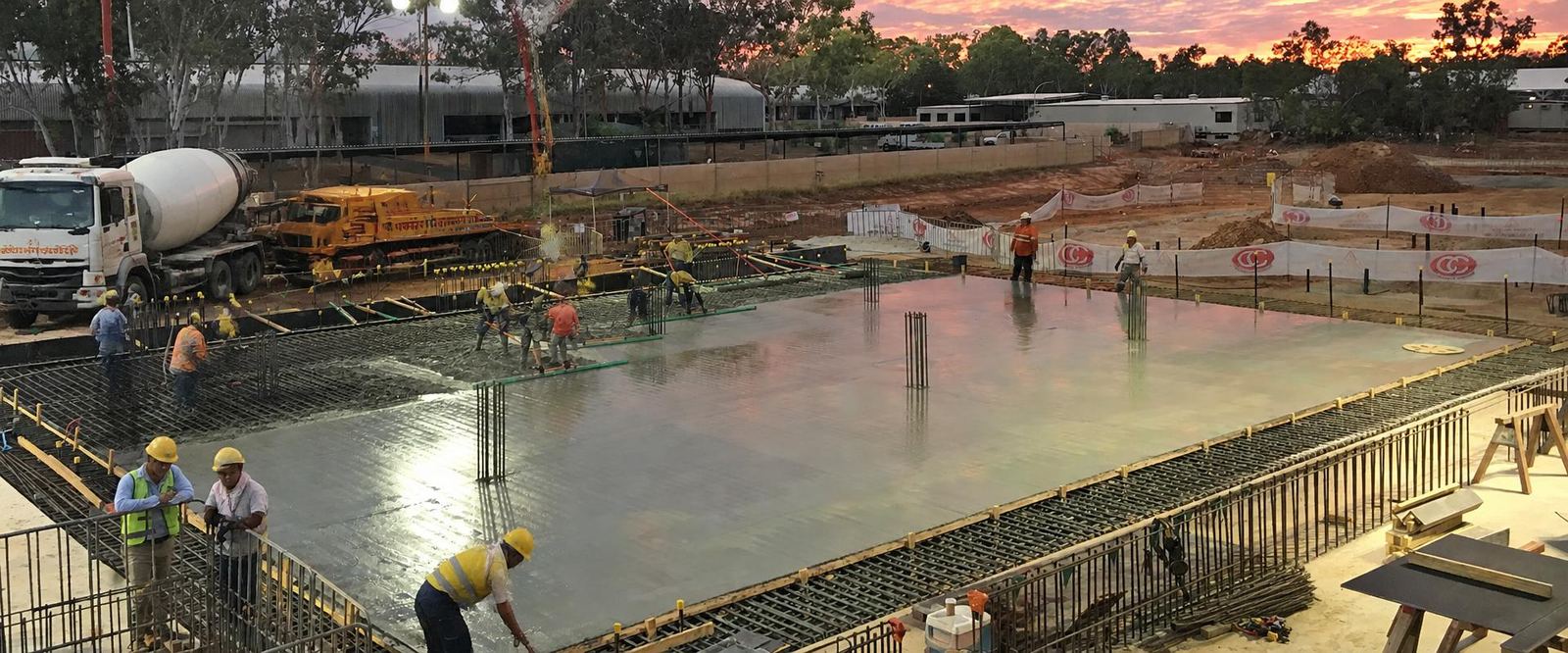
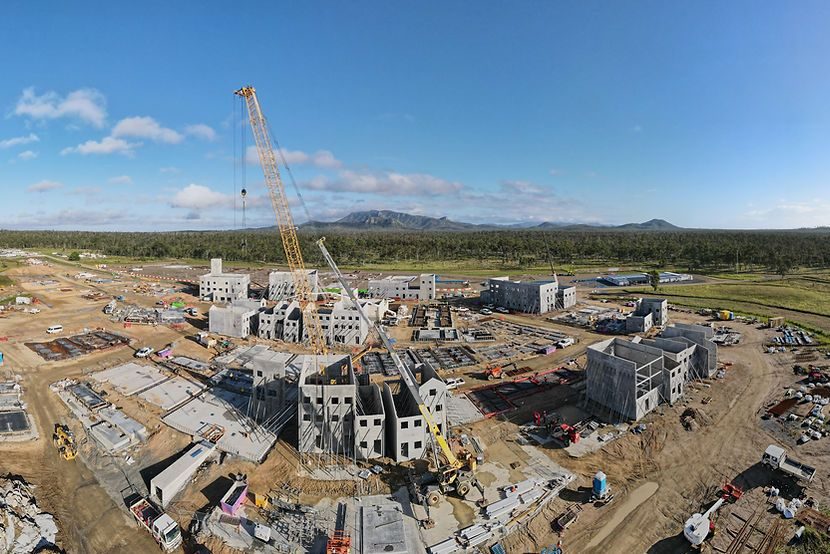
A milestone-based payment structure splits your total project cost against defined, physically verifiable stages - typically foundation completion, structural frame (up to roof level or each floor slab), brickwork and plastering, and finishing stages such as flooring, electrical, plumbing and painting. Each milestone has its own payment amount, documented in your project agreement before work starts, and you pay only once that stage is actually complete and visible on site - not on a calendar date, and not on a promise. This means at any point in the project, the amount you've paid roughly matches the amount of work you can see standing in front of you.
Why This Protects You Specifically
The practical benefit is straightforward: your unpaid balance stays meaningful throughout the project, which keeps the incentive aligned toward finishing each stage properly before moving - and getting paid - for the next one. It also makes it much easier to catch problems early. If plastering work is subpar, you can flag it before authorising the plastering milestone payment, rather than discovering it only at final handover when the money has already changed hands. And because each stage is itemised and costed upfront in a written agreement, there's a clear reference point if a dispute ever does arise about whether a stage was genuinely complete.
How It Also Protects the Builder - And Why That Matters to You
It's worth saying plainly: a milestone structure isn't purely a one-sided protection for the client. It also protects a legitimate builder from a client who might otherwise delay payment indefinitely after work is done, or dispute cost after the fact without a documented basis. Because the schedule and scope are agreed in writing before work starts, both sides are working from the same reference point throughout - which is exactly why it tends to produce fewer disputes overall, not just fewer risks for you.
What a Proper Milestone Agreement Should Include
Not every "staged payment" plan offers real protection - some are staged in name only, with vague milestone definitions that are easy to dispute. A sound agreement names each milestone specifically (not just "30% on starting," but "on completion of RCC structure up to roof level, as inspected"), states the exact amount or percentage due at each stage, and is signed before any site work begins. If you want to understand how CDEF structures this for a specific project type, our FAQ page covers cost and payment in more detail, and the same milestone principle applies whether the project is residential construction or a larger commercial build.
Aligning It With Your Own Financing
If you're funding your project partly through a home loan or construction finance, milestone-based payments also tend to line up naturally with how banks disburse loan tranches - most lenders release funds against completed construction stages rather than a single lump sum anyway. We don't provide financing directly, but we can structure your milestone schedule to track reasonably closely with your bank's disbursement stages, so you're not left funding a gap between what the bank releases and what's due on site.
What to Ask Before You Sign Anything
Whoever you ultimately build with, ask for the milestone schedule in writing before you pay anything, confirm each stage is tied to a specific, inspectable piece of work rather than a date, and make sure the total of all milestones equals the full quoted project cost with nothing unaccounted for. That one document, more than almost anything else in the process, determines how much control you keep over your own project.